
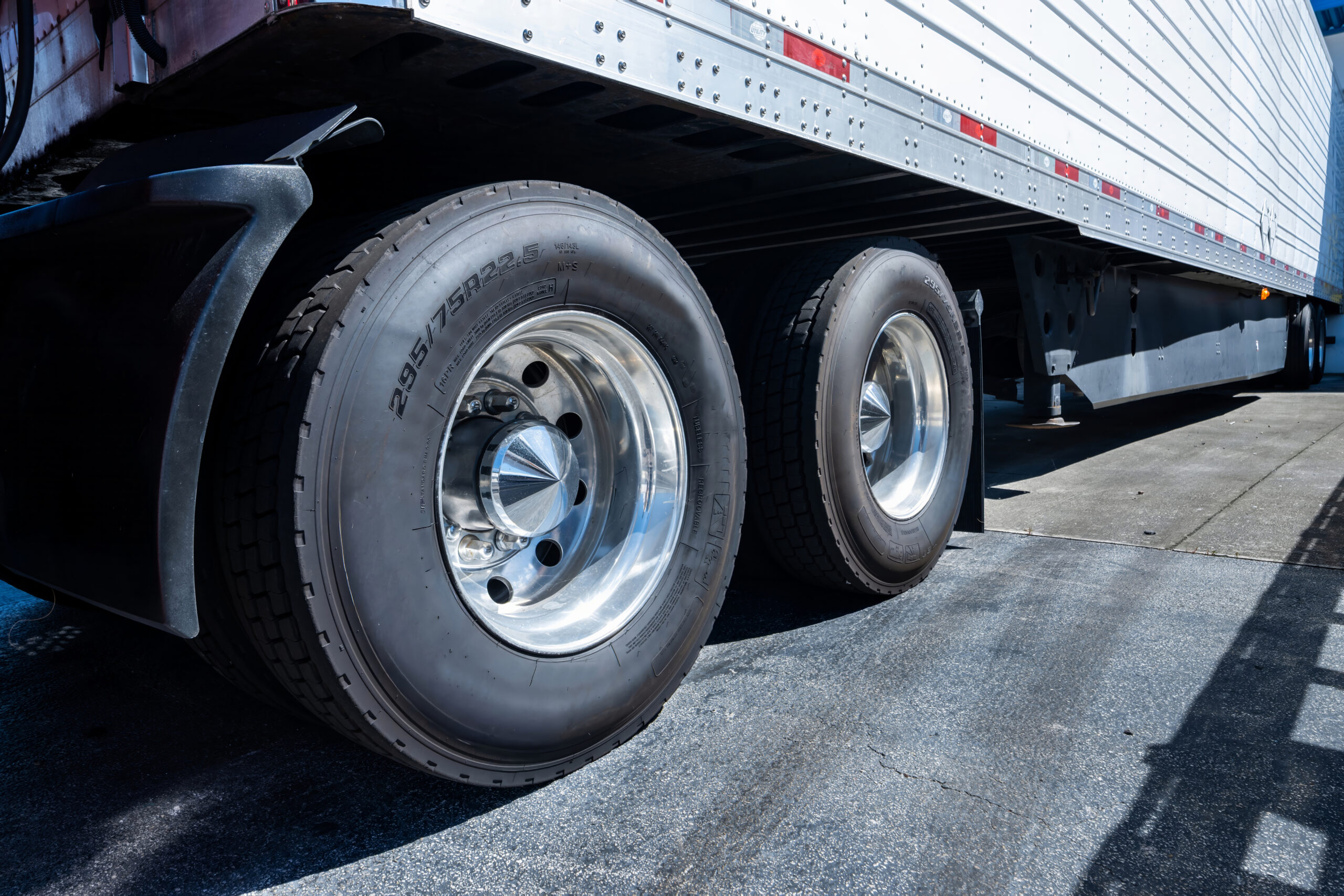
Tire Inflation / Pressure Management
Tire pressure, engineered
for your business
Monitoring and automated inflation systems that cut fuel costs, extend tire life, and keep your fleet safer — with real-time visibility into every tire, on every vehicle.
From assessment to operation —
one continuous partnership
Every tire program starts with the right system fit
With direct and indirect TPMS types serving different needs, Velociti first assesses your vehicle mix — from long-haul trucks to dry vans, reefers, flatbeds, and tankers — before recommending the right monitoring approach.
TPMS Type Assessment
We evaluate whether direct sensors — which measure absolute pressure — or indirect wheel-speed estimation best fits your fleet.
Fleet & Trailer Inventory Review
We map your full vehicle mix — trucks, dry vans, reefers, flatbeds, and tankers — to scope the right system for each.
Fuel & Cost Baseline Modeling
We project fuel savings and payback based on your current tire and fuel spend before you commit to hardware.
Installed across trucks, trailers, and everything between
Velociti installs TPMS hardware across your full vehicle mix — long-haul trucks, dry vans, reefers, flatbeds, and tankers — with real-time visibility built in from day one.
TPMS Installation
Advanced electronic systems monitor air pressure inside individual tires across trucks and every major trailer type.
Real-Time Monitoring & Alerts
Pressure reported via gauges, displays, or warning lights, with automatic alerts to drivers and fleet managers by email or text.
Fleet-Wide Management Integration
Centralized dashboards and integration with your existing fleet management software for full tire-health visibility.
We keep watching long after the install is done
VeloCare delivers proactive, unlimited support — unlimited repairs, real-time monitoring, and scalable solutions that keep your tire pressure systems operational as your business grows. No limits. No boundaries. Just results.
VeloCare Proactive Monitoring & Support
Unlimited repairs and real-time monitoring that keep your TPMS operational as your fleet grows.
Sensor Calibration & Battery Replacement
VeloCare handles the technical upkeep — sensor calibration and battery replacement — so your systems stay accurate.
Tire Maintenance Program Guidance
Best-practice support for rotations, alignments, and wear monitoring that extends tire life alongside your monitoring system.
Comprehensive tire pressure solutions built to optimize performance and cut costs
Velociti provides comprehensive tire inflation and pressure management solutions designed to optimize fleet performance and reduce operational costs — installed across trucks, dry vans, reefers, flatbeds, and tankers.
TPMS Installation & Monitoring
Advanced electronic systems monitor air pressure inside individual tires across long-haul trucks and every major trailer type.
Direct TPMS Solutions
Pressure sensors in each tire determine absolute pressure, feeding data straight to the vehicle’s onboard computer.
Automated Inflation Systems
For trailers and select truck applications, automatic systems maintain optimal pressure even during operation.
VeloCare Managed Services
Proactive, unlimited support for your tire pressure systems — unlimited repairs, real-time monitoring, and scalable solutions that keep your fleet’s technology investment working as you grow. No limits. No boundaries. Just results.
Why tire pressure management pays for itself
From fuel costs to safety, tire pressure touches nearly every line on a fleet’s balance sheet — here’s where proper monitoring makes the biggest difference.
Fuel savings
Underinflated tires quietly drain fuel budgets — every 1 psi drop in tire pressure costs about 0.3% in fuel efficiency. Per the U.S. Department of Energy, keeping tires at recommended pressure can boost mileage by up to 3%, a difference that compounds fast across an entire fleet.
Extended Tire Life
The average total cost of a flat tire — driver and vehicle downtime included — runs nearly $350 per incident, making tire health monitoring a substantial cost-saving opportunity.
Safety Enhancement
Tires are the most common vehicle-related factor in fatal crashes involving large trucks, making pressure monitoring an invaluable tool for road safety.
Maintenance Cost Reduction
Reducing strain on tires, engines, and related components lowers overall maintenance expense — an investment that pays off over time.
Regulatory Compliance
With many regions now mandating TPMS, having these systems in place keeps your fleet compliant and clear of potential fines or legal issues.
Environmental Benefits
Properly inflated tires reduce a vehicle’s carbon footprint through improved fuel efficiency, supporting your fleet’s sustainability goals.
Questions fleets ask us most
Straight answers to what fleets want to know before investing in tire pressure management.
Every 1 psi drop in tire pressure can lead to a 0.3% decrease in fuel efficiency, and that adds up fast across underinflated tires fleet-wide. Most fleets see between 0.5% and 3% improvement in fuel economy from comprehensive tire pressure management.
There are two main types: direct systems, which use pressure sensors in each tire to determine absolute pressure and feed that data to the vehicle’s computer, and indirect systems, which use wheel speed sensors to estimate pressure from rotational differences.
Most fleets see a return within 6–18 months, depending on fleet size, miles driven, and current tire maintenance practices — the combination of fuel savings and extended tire life tends to make the investment pencil out quickly.
Modern TPMS systems are built to integrate with fleet management software, generating detailed analytics on tire pressure trends, fuel usage, and cost savings accessible right through your existing platforms.
Beyond regular tire pressure checks, best practices include using the correct tire size and type, running a maintenance program with regular rotations and alignments, and monitoring wear for timely replacement. VeloCare handles the rest, including sensor calibration and battery replacement.
Yes — modern TPMS solutions monitor individual tire pressure across long-haul trucks and passenger vehicles as well as trailer types like dry vans, reefers, flatbeds, and tankers.
Real-time tire health data improves fleet efficiency, catching minor issues before they become expensive ones. You’ll also see maximized driver safety, extended tire life, fewer roadside service calls, and improved CSA scores.